Innovative Features of Swiss Screw Machines that Boost Efficiency
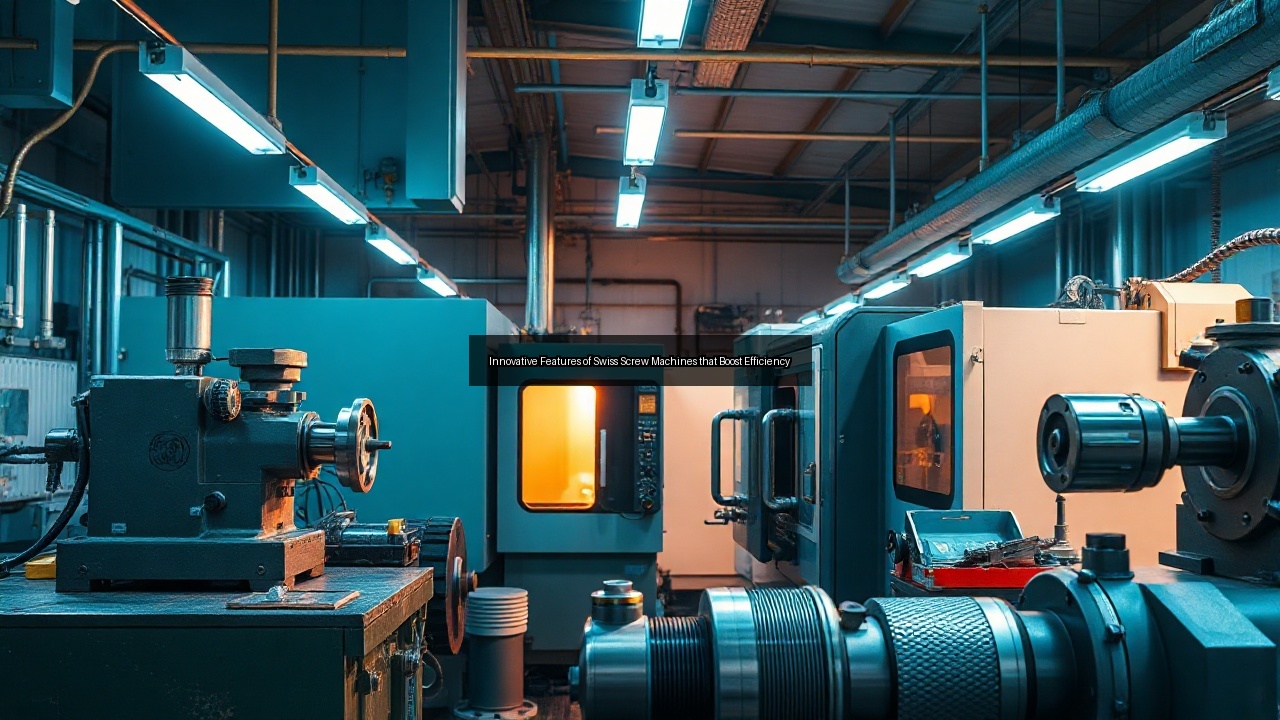
Understanding Swiss Screw Machining
What Sets Swiss Screw Machining Apart
Swiss screw machining delivers unmatched precision for small, intricate parts by guiding the workpiece through a sliding headstock. This setup keeps material close to the cutting tool and minimizes deflection during high-speed operations. Operators achieve tolerances as tight as a few microns on diameters from 1mm to 32mm. The process excels at long, slender components that traditional setups often warp or chatter. Swiss screw machining handles stainless steel, titanium, and plastics with equal reliability, producing consistent results across thousands of cycles. Shops rely on it for medical devices, watch components, and aerospace fittings where every dimension must match exact specifications.
Unlike standard turning, Swiss screw machining feeds bar stock continuously through a guide bushing. The bushing supports the material right at the point of cut, allowing deeper passes without vibration. This design reduces secondary operations and shortens cycle times dramatically. Manufacturers gain higher throughput while maintaining surface finishes that often eliminate polishing steps. The method also supports live tooling for milling flats, slots, and cross holes in one setup, further streamlining production runs.
Key Components of Swiss Screw Machines
Every Swiss screw machine centers on a sliding headstock, guide bushing, and multiple tool stations. The headstock advances the bar while the bushing maintains rigidity. Tool posts or turrets hold turning, drilling, and threading inserts that operate simultaneously. A synchronized subspindle often finishes the part's rear side without manual intervention. Coolant systems deliver high-pressure fluid directly to the cutting zone, extending tool life and improving chip evacuation.
Modern controls integrate servo drives for exact positioning across all axes. Encoders track movement to sub-micron levels, ensuring repeatability on every part. Many machines also include an ejector that automatically removes completed components into collection bins. These elements combine to create a closed-loop system capable of running lights-out for extended periods. Swiss screw machining therefore reduces labor costs while increasing overall equipment effectiveness on high-volume orders.
Innovative Features Enhancing Efficiency
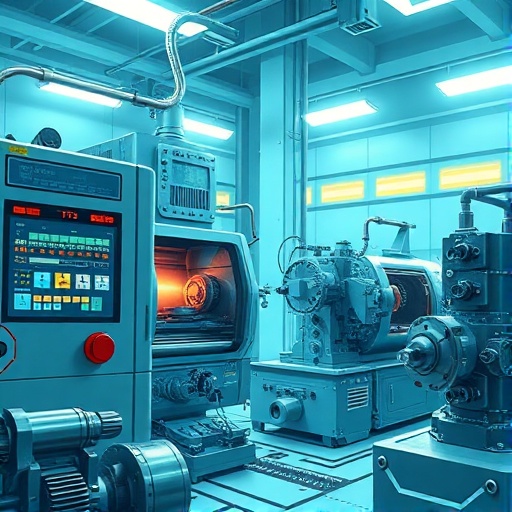
Advanced Barfeeders for Continuous Production
Advanced barfeeders transform Swiss screw machining into a nonstop process. Hydrostatic or servo-driven units load bar stock up to 12mm or 16mm in diameter without stopping the machine. Sensors detect end-of-bar conditions and automatically load the next piece, keeping spindles turning for hours. This setup eliminates manual reloading gaps that plague older equipment. Shops report utilization rates above 90 percent when barfeeders run in tandem with optimized programs.
Variable-speed barfeeders also reduce vibration on thin stock. They match feed rates to cutting conditions, protecting delicate tools and preserving surface quality. Many models accommodate bundle loading of multiple bars, extending unattended runtime to entire shifts. The result is higher output per machine and reduced operator fatigue. Swiss screw machining benefits directly because continuous material supply matches the high spindle speeds these lathes achieve.
Precision Tailstock Mechanisms
Precision tailstocks add critical support for longer workpieces in Swiss screw machining. Unlike rigid center lathe setups, these programmable units advance and retract automatically. They apply consistent pressure to prevent whip on parts exceeding 10 times their diameter. Hydraulic or servo actuation lets operators fine-tune force for different materials without stopping production.
The tailstock often works in concert with the guide bushing to create dual support points. This configuration allows deeper drilling and threading passes while maintaining concentricity. Ejector pins integrated into the tailstock push finished parts clear once the subspindle completes rear operations. Such mechanisms cut cycle times and protect delicate threads from damage during part removal. Manufacturers gain both speed and quality on components like bone screws and fuel injector pins.
Y-Axis Capabilities for Complex Parts
Y-axis motion on Swiss lathes opens milling, drilling, and threading at angles previously requiring multiple setups. The extra linear axis moves tools perpendicular to the main spindle centerline, enabling off-center features in a single cycle. Parts with slots, flats, and cross-holes finish complete without refixturing. This capability reduces handling errors and shortens lead times on medical and electronics components.
Live tooling mounted on the y-axis performs contour milling and engraving while the bar rotates or remains indexed. Tsugami machines, for example, combine y-axis travel with C-axis control to produce intricate geometries at high speed. Shops achieve tighter tolerances because the part never leaves the machine between operations. Swiss screw machining therefore replaces several secondary machines with one efficient platform, cutting floor space and labor requirements simultaneously.
Comparative Analysis of Swiss Screw Machines
Swiss Lathes vs. Traditional Metalworking Lathes
Swiss lathes outperform traditional metalworking lathes when part length exceeds diameter by a wide margin. The guide bushing keeps material stable, whereas conventional center lathe setups rely on tailstock pressure alone. This difference allows Swiss machines to run at higher speeds and feeds without deflection. Traditional metalworking lathes still suit larger shafts and simpler profiles, but they demand more frequent tool adjustments on slender work.
Setup times also favor Swiss lathes for small parts. Collet changes and program offsets happen quickly, while conventional lathes often require custom fixtures. Swiss screw machining therefore dominates high-mix, low-to-medium volume production of precision components. Shops that run both types of equipment route jobs according to geometry, using Swiss lathes for anything under 20mm diameter with tight tolerances.
Benefits of CNC Lathes in Screw Machining
CNC lathes bring programmability and repeatability to screw machining that manual machines cannot match. Operators store hundreds of part programs and call them up instantly for repeat orders. Tool offsets adjust automatically based on probe feedback, maintaining dimensions across material batches. Cycle times drop because multiple tools cut simultaneously under precise control.
Modern CNC lathes also integrate barfeeders and parts catchers for extended runs. They reduce scrap through in-process gauging and automatic compensation. Swiss screw machining gains further efficiency when CNC controls manage spindle synchronization between main and subspindles. The combination delivers consistent quality whether producing 50 or 50,000 pieces, something older cam-driven screw machines struggle to achieve.
The Role of Turret Lathes in Modern Machining
Turret lathes add rapid tool indexing to Swiss screw machining cells. Multiple stations on the turret hold turning, drilling, and threading tools that swing into position in seconds. This arrangement supports complex sequences without manual tool changes. Many Swiss lathes now combine turret designs with gang tooling for even faster operations on short parts.
The turret also accommodates live spindles for milling and cross drilling. Combined with y-axis travel, these machines finish parts that once needed transfer to a milling machine. Swiss screw machining shops use turret-equipped models to handle families of similar components with minimal changeover. The result is higher machine utilization and lower per-part costs on precision fasteners, connectors, and valve components.
Applications of Swiss Screw Machining
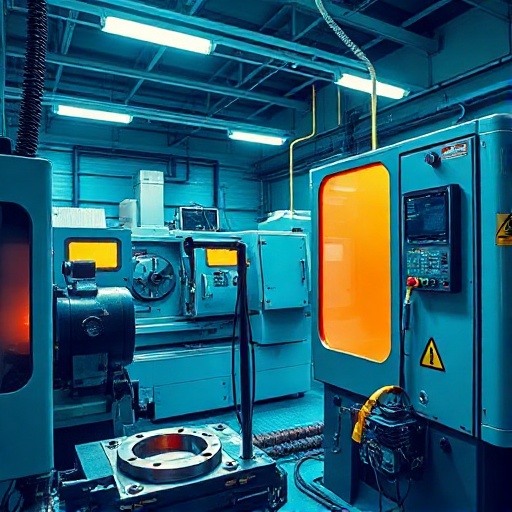
Industries Leveraging Swiss Screw Machining
Medical device manufacturers depend on Swiss screw machining for implants, surgical instruments, and dental components. The process produces bone screws, pins, and housings from biocompatible materials with mirror finishes. Aerospace companies use it for fuel system fittings and sensor housings that must withstand extreme pressures. Automotive suppliers run Swiss lathes for injector nozzles and transmission valves where concentricity is critical.
Electronics firms order Swiss-machined connectors, contacts, and miniature shafts for connectors and switches. Watchmakers continue to rely on the technology for gears, stems, and cases that demand jewel-like precision. Each industry values the ability to combine turning, milling, threading, and drilling in one cycle, shortening supply chains and improving traceability.
Typical Products and Components Made
Common outputs include precision screws from 1mm to 16mm diameter, dowel pins, and valve stems. Swiss screw machining also produces cannula tubes, orthodontic brackets, and hydraulic spools. Threaded fittings with integrated hex flats emerge complete from the machine, ready for plating or assembly. Ejector pins and core pins for plastic molds represent another steady application area.
Parts often feature multiple diameters, undercuts, and cross holes that would require several conventional operations. Swiss lathes complete these features while maintaining runout under 0.005mm. High-volume runs of 12mm diameter fasteners demonstrate the process's ability to hold tight pitch diameters on threaded sections without burrs or tearing.
The Importance of Threading and Ejector Mechanisms
Threading on Swiss screw machines occurs through synchronized interpolation or thread whirling attachments. These methods produce accurate profiles on long or short threads while preserving material strength. Automatic ejector systems then remove finished parts without marring critical surfaces. The ejector works in tandem with the subspindle to clear the machining zone rapidly, keeping cycle times low.
Proper ejector timing prevents chips from re-entering the cut and damaging threads. Shops optimize air blasts and mechanical pushers to match material type. Swiss screw machining therefore maintains thread quality across extended production runs, reducing inspection rejects and rework. The combination of precise threading and reliable ejection directly supports the high output these machines promise.
Future Trends in Swiss Screw Machining
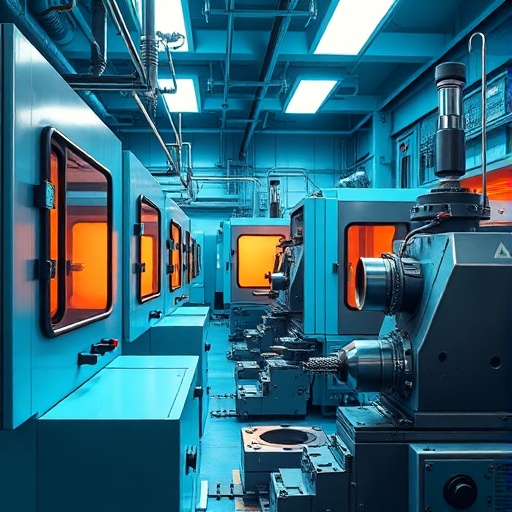
Integration of Milling Machines with Swiss Lathes
Hybrid platforms now combine Swiss lathe kinematics with full milling machine capability. Five-axis milling heads mount directly on the tool post, allowing complex contours and angled holes without repositioning the part. This integration collapses process steps that previously required transfer to a separate milling machine. Cycle times shrink and part accuracy improves because datum references stay consistent.
Manufacturers program these combined machines with unified CAM software that optimizes both turning and milling paths. Swiss screw machining therefore expands into parts once considered too complex for bar-fed equipment. The trend supports shorter lead times for prototypes and production alike, especially in medical and defense sectors.
Emerging Technologies in Screw Machining
Artificial intelligence now monitors tool wear and adjusts feeds in real time on Swiss lathes. Sensors track vibration, temperature, and power draw to predict maintenance needs before failures occur. Additive manufacturing of custom tooling further speeds setup for new parts. These technologies push Swiss screw machining toward true lights-out operation with minimal human oversight.
Digital twins of the machining process allow virtual optimization before any metal is cut. Operators simulate chip flow, thermal effects, and cycle times on screen. The result is faster validation of new jobs and fewer scrapped parts during ramp-up. Swiss screw machining continues to evolve as these digital tools mature.
Sustainability Practices in Swiss Machining
Modern Swiss screw machines incorporate energy-efficient motors and smart coolant systems that reduce consumption. High-pressure filtration extends fluid life, cutting waste disposal costs. Dry machining options using minimum quantity lubrication lower environmental impact on certain materials. Shops also recycle chips directly from the machine, improving material yield.
Optimized tool paths generated by advanced software minimize air cuts and reduce overall energy per part. Swiss screw machining therefore meets tightening regulations while maintaining competitive costs. Manufacturers track carbon footprints through integrated monitoring, aligning production with corporate sustainability goals without sacrificing precision or throughput.