Galvanized Steel and Stainless Steel Showdown Which One Reigns Supreme
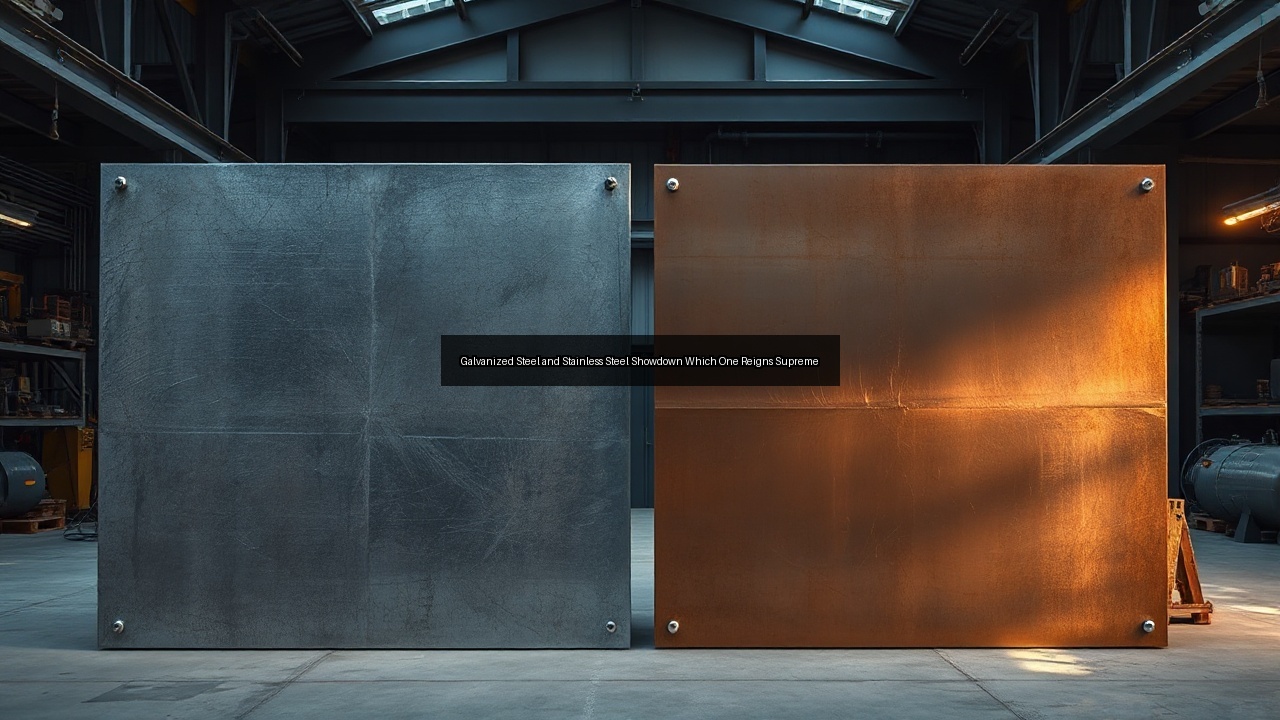
Understanding Galvanized Steel and Stainless Steel
What is Galvanized Steel?
Galvanized steel is a type of steel that undergoes a protective coating process known as galvanization. This process involves dipping steel or iron in molten zinc, which creates a corrosion-resistant layer. The zinc acts as a sacrificial anode, meaning it will corrode before the underlying steel does. This protective layer significantly increases the durability and lifespan of steel, making it ideal for outdoor applications and environments prone to moisture. Common forms of galvanized steel include sheet metal and steel plates, which find extensive use in construction, automotive, and agricultural sectors. The galvanization process ensures that even if the surface gets scratched, the zinc coating continues to protect the exposed steel from rusting.
What is Stainless Steel?
Stainless steel stands out as an alloy primarily composed of iron, carbon, and chromium, typically containing at least 10.5% chromium by weight. This high chromium pros of galvanized steel content creates a thin layer of chromium oxide on the surface, providing exceptional corrosion resistance. Unlike galvanized steel, which relies on a coating for protection, stainless steel is inherently resistant to rust and corrosion, making it a preferred choice for various applications, including kitchenware, medical instruments, and industrial equipment. Its aesthetic appeal, strength, and ability to withstand high temperatures further enhance its reputation in the metal industry. Stainless steel comes in various grades, each tailored for specific uses, showcasing its versatility and reliability as a construction and manufacturing material.
Key Differences Between Galvanized and Stainless Steel
Several key differences distinguish galvanized steel from stainless steel. The primary distinction lies in their composition and corrosion resistance mechanisms. Galvanized steel depends on a zinc coating to protect the base metal, while stainless steel's corrosion resistance stems from its chromium content. This fundamental difference impacts their applications and longevity. Galvanized steel is often more cost-effective, making it ideal for projects with tight budgets. However, its lifespan can diminish in highly corrosive environments. Stainless steel, albeit more expensive, offers superior durability and aesthetic qualities, making it suitable for high-end applications. Understanding these differences is crucial for industries when deciding between galvanized steel vs stainless steel for specific projects.
Corrosion Resistance: A Critical Comparison
How Galvanization Works
Galvanization is a critical process that enhances the corrosion resistance of steel. It involves coating the steel with zinc through hot-dip galvanization or other methods. The zinc layer serves as a protective barrier against moisture and corrosive substances. When galvanized steel is exposed to the elements, the zinc coating oxidizes and forms a protective layer of zinc oxide. This layer prevents moisture from reaching the underlying steel, significantly reducing the risk of rust formation. Even when the surface is scratched, the exposed zinc will corrode preferentially to protect the steel beneath. The effectiveness of galvanization depends on the thickness of the zinc layer and the environmental conditions to which the galvanized steel is subjected. In less corrosive environments, galvanized steel can last for decades, making it a practical choice for many applications.
Corrosion Resistance of Stainless Steel
Stainless steel's corrosion resistance is one of its most compelling features. The addition of chromium to the alloy forms a self-healing layer of chromium oxide on the surface, which protects the metal from corrosive elements. Unlike galvanized steel, stainless steel does not require a separate coating for corrosion protection, making it a more sustainable option in some settings. The resistance varies among the different grades of stainless steel; for instance, 304 stainless steel offers good resistance to atmospheric corrosion, while 316 stainless steel provides superior resistance in marine environments due to its molybdenum content. This inherent corrosion resistance enables stainless steel to maintain its appearance and structural integrity over time, making it a preferred choice for applications in harsh conditions.
Factors Influencing Corrosion in Both Metals
Several factors influence the corrosion resistance of both galvanized and stainless steel. Environmental conditions play a significant role; for example, exposure to saltwater or acidic environments accelerates corrosion rates. The thickness of the zinc coating on galvanized steel determines its longevity; thicker coatings generally offer better protection. Additionally, the presence of contaminants like chlorides can compromise the protective layers of both metals, leading to pitting and rust formation. In stainless steel, the alloy's composition, including the levels of nickel and chromium, affects its resistance to corrosion. Proper maintenance, including cleaning and avoiding contact with dissimilar metals, can also enhance the lifespan of both galvanized and stainless steel. Understanding these factors enables industries to make informed decisions when selecting materials for specific applications.
Applications and Use Cases
Common Applications of Galvanized Steel
Galvanized steel finds extensive use in various applications due to its affordability and corrosion resistance. Construction holds a significant share of its applications, where it's used for roofing, siding, and structural components. The automotive industry also relies on galvanized steel for parts exposed to the elements, such as chassis and body panels, ensuring longevity and safety. Agricultural equipment, such as storage tanks and fencing, often employs galvanized steel for its durability against weathering. Additionally, galvanized fasteners, like screws and bolts, are crucial for ensuring strong, rust-resistant connections in construction and machinery. Its versatility and protective qualities make galvanized steel an essential material across numerous sectors.
Popular Uses for Stainless Steel
Stainless steel's unique properties make it the material of choice for various high-end applications. In the food and beverage industry, stainless steel is crucial for manufacturing equipment, storage tanks, and utensils due to its non-reactive nature and ease of cleaning. Medical equipment also relies on stainless steel for surgical instruments and implants, where sterility and corrosion resistance are paramount. The architectural field utilizes stainless steel for its aesthetic appeal in building facades, railings, and fixtures. Furthermore, the chemical processing industry values stainless steel in reactors and piping systems for its ability to withstand harsh corrosive environments. Its adaptability across diverse applications underscores stainless steel's importance in modern manufacturing and construction.
Choosing the Right Metal for Pressure Vessels
Selecting the appropriate material for pressure vessels hinges on various factors, including corrosion resistance, strength, and cost. In many cases, stainless steel is the preferred choice due to its superior strength and inherent resistance to corrosion. It withstands high pressures and maintains structural integrity over time, making it ideal for applications like gas storage and chemical processing. Galvanized steel can serve in less demanding pressure vessel applications, particularly where cost considerations are paramount. However, its vulnerability to corrosion in extreme environments may necessitate more frequent replacements. Ultimately, understanding the specific requirements and conditions of the pressure vessel application is essential for making an informed choice between galvanized steel vs stainless steel.
Cost, Sustainability, and Performance
Price Comparison: Galvanized vs Stainless Steel
The price difference between galvanized steel and stainless steel significantly impacts material selection in various projects. Generally, galvanized steel offers a more budget-friendly option, making it appealing for large-scale construction and manufacturing projects where cost efficiency is essential. Prices for galvanized steel typically range lower than those for stainless steel, which is more expensive due to its alloying elements and production processes. However, stainless steel provides superior durability and longevity, potentially offsetting the initial investment over time. Understanding the long-term costs associated with maintenance and replacement can guide decision-makers in choosing the right metal for their specific applications.
Sustainability Considerations in Metal Production
Sustainability has become a focal point in metal production and selection. Both galvanized steel and stainless steel have their sustainability merits. Galvanized steel, while initially less expensive, often relies on traditional steel production methods that can be energy-intensive. Conversely, stainless steel's production utilizes recycled materials, contributing to its sustainability profile. The durability of stainless steel also reduces the frequency of replacements, minimizing waste in the long run. Additionally, both metals can be recycled at the end of their lifecycle, further enhancing their sustainability credentials. Choosing the right metal must consider not only initial costs but also the environmental impact throughout the product's lifecycle.
Weldability and Fabrication Techniques: A Closer Look
Weldability is a crucial factor for industries working with metal, affecting how easily materials can be joined during fabrication. Galvanized steel presents challenges when it comes to welding, as the zinc coating can produce harmful fumes and may weaken the weld joint if not properly managed. Pre-welding preparation, such as removing the zinc coating, is often necessary for successful welding. Stainless steel, on the other hand, offers excellent weldability, particularly in its various grades. Techniques like laser cutting and TIG welding yield strong, clean welds without compromising corrosion resistance. Understanding the weldability of both metals can significantly influence material choice in fabrication processes, especially in complex applications like pressure vessels and structural components.
See Also
- The Versatility of Steel Plates Which Steel Type is More Adaptable
- Rust Resistance in the Metal World Which Steel Should You Choose
- Navigating the Risks of Corrosion in Galvanized and Stainless Steel
- Innovative Applications of Galvanized and Stainless Steel in Modern Design
- Sustainability in Steel Production Comparing Galvanized and Stainless Options