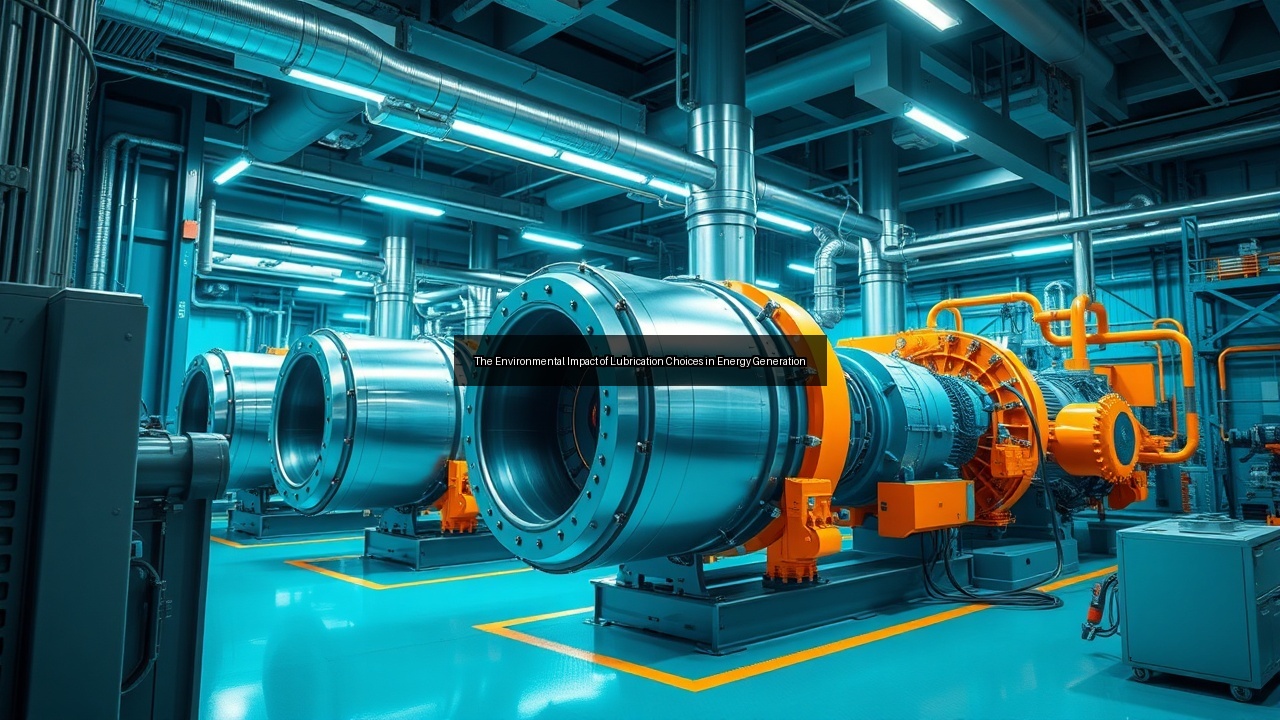
The Environmental Impact of Lubrication Choices in Energy Generation
Understanding Lubrication in Power Generation
The Role of Lubricants in Energy Production
Lubrication plays a pivotal role in power generation, influencing both efficiency and reliability. Lubricants reduce friction between moving parts, ensuring that machinery operates smoothly. In power plants, efficient operation translates to higher electricity generation and lower maintenance costs. Poorly lubricated systems can lead to increased wear and tear, resulting in unexpected downtime. This unplanned downtime not only impacts productivity but also increases operational costs, making the selection of the right lubricants crucial for optimal performance. A well-lubricated engine or turbine can sustain its operational lifespan while delivering consistent output, highlighting the importance of lubrication in energy production.
Types of Lubricants Used in Power Plants
Power generation facilities utilize various types of lubricants, including oils and greases tailored to specific applications. Turbine oils are formulated to meet the high demands of gas and steam turbines, providing necessary protection against oxidation and thermal breakdown. Greases find their place in wind turbines, where they help maintain components that experience infrequent movement. Additionally, hydraulic fluids serve critical roles in controlling systems within power plants. OEM specifications guide the selection of lubricants, ensuring that each type meets the operational requirements of different machinery. The right lubricant choice not only enhances performance but also minimizes environmental impacts, aligning with sustainability goals in energy generation.
Importance of Cleanliness in Lubrication Systems
Cleanliness in lubrication systems directly affects the longevity and efficiency of power generation equipment. Contaminated lubricants can lead to varnish formation, which clogs filters and reduces the effectiveness of lubrication. Implementing condition monitoring programs can help detect contamination early, allowing for timely interventions before issues escalate. Regular maintenance practices, such as filter changes and cleanliness checks, contribute to the overall health of lubrication systems. Maintaining clean lubrication not only ensures the reliability of turbines and engines but also minimizes environmental risks associated with lubricant spillages and leaks. Establishing stringent cleanliness standards is essential for achieving optimal performance in power plants.
Environmental Considerations of Lubrication Choices
Impact of Lubricants on Uptime and Reliability
The choice of lubricants significantly impacts the uptime and reliability of power generation systems. High-quality lubricants formulated to resist thermal degradation and oxidation can extend the life of engine components and turbines. Conversely, subpar lubricants can lead to increased friction, overheating, and premature failures. In energy generation, where the demand for continuous uptime is critical, selecting the right lubrication is essential. A reliable lubrication system minimizes the risk of breakdowns, which can have far-reaching consequences not only for productivity but also for environmental health. Reducing unplanned outages through effective lubrication management supports sustainable operations and contributes to cleaner energy generation practices.
Varnish Formation and Its Effects on Efficiency
Varnish formation poses a significant challenge in power generation lubrication. These unwanted deposits can accumulate within lubrication systems, leading to blocked oil passages and reduced effectiveness. This accumulation not only hampers the efficiency of machinery but also increases maintenance costs as operators must frequently clean or replace components affected by varnish. Preventing varnish formation requires careful selection of lubricants and regular monitoring. Technologies that offer varnish control are increasingly important in the landscape of power generation lubrication. By addressing varnish issues proactively, power plants can enhance operational efficiency and reduce the environmental footprint associated with lubricant waste.
Condition Monitoring: Ensuring Clean Lubrication
Condition monitoring serves as a proactive approach to maintaining clean lubrication systems in power generation. This practice involves regularly measuring lubricant properties and identifying contaminants that may compromise performance. Advanced technologies, such as online monitoring systems, provide real-time data on lubricant health, enabling quick responses to potential issues. By integrating condition monitoring into maintenance routines, power plants can prevent failures and enhance the reliability of their systems. This not only improves uptime but also supports environmental sustainability by reducing waste generated from premature lubricant disposal. An investment in condition monitoring ultimately leads to more efficient power generation systems that align with eco-friendly practices.
Lubrication Solutions for Different Energy Sources
Hydroelectric Power: Maintaining Turbines with Proper Lubrication
In hydroelectric power plants, proper lubrication is vital for the smooth operation of turbines. Water-based systems require specific lubricants that can withstand the unique challenges presented by high humidity and potential water contamination. The selection of turbine oils must ensure that they provide adequate protection against corrosion and wear while maintaining performance under varying operational conditions. Regular maintenance of lubrication systems in hydroelectric power plants helps prevent failures and prolongs the lifespan of turbine components. Implementing best practices in lubrication management not only enhances efficiency but also minimizes environmental impacts associated with turbine operation.
Gas Turbines: The Need for Specialized Lubricants
Gas turbines operate under extreme conditions, necessitating the use of specialized lubricants designed for high temperatures and pressures. These lubricants must provide excellent thermal stability and resistance to oxidation, ensuring that the turbine maintains optimal performance over time. The right lubricant choice can significantly reduce maintenance costs while enhancing the reliability of gas turbines. Regular monitoring and analysis of lubricant conditions are essential to detect any degradation early. By investing in high-quality lubricants and employing rigorous maintenance practices, power generation facilities can achieve greater efficiency and minimize their environmental footprint.
Wind Turbines: Greases vs. Oils
Wind turbines present unique lubrication challenges due to their design and operational environment. The choice generation lubricants between greases and oils depends on the specific components being lubricated. Greases often serve well in areas with minimal movement, providing long-lasting protection and resistance to environmental contaminants. Conversely, oils are generally used in gearboxes and other high-speed applications where effective cooling and lubrication are necessary. Successful lubrication management in wind turbines requires a deep understanding of the specific needs of each component, ensuring that the chosen lubricant contributes to both performance and sustainability. By optimizing lubrication strategies, operators can enhance the reliability of wind energy systems while minimizing environmental impacts.
Best Practices for Lubrication Management in Power Generation
Maintenance Strategies to Reduce Downtime
Implementing effective maintenance strategies is crucial for reducing downtime in power generation. Scheduled maintenance activities, including regular inspections and lubricant changes, can prevent equipment failures and extend the lifespan of machinery. Establishing a preventive maintenance program focused on lubrication can lead to significant improvements in reliability and efficiency. Furthermore, training staff on proper lubrication techniques and the importance of choosing the right products enhances overall performance. By prioritizing maintenance strategies, power plants can minimize unexpected outages and ensure a consistent electricity supply while adhering to sustainability principles.
Inventory Management of Lubricants
Efficient inventory management of lubricants plays a vital role in power generation operations. Maintaining an optimal stock of lubricants ensures that facilities can respond quickly to maintenance needs without delays. Implementing a systematic approach to tracking lubricant usage and expiration dates can prevent waste and reduce costs associated with overstocking or emergency purchases. Leveraging technology for inventory management allows for real-time tracking and forecasting, aligning lubricant availability with operational demands. This proactive approach not only enhances efficiency but also helps minimize the environmental impact of excess lubricant disposal.
Leveraging Technology for Improved Lubrication Systems
Advancements in technology have transformed lubrication systems in power generation. Automated lubrication systems enhance precision and consistency, reducing the risk of human error. Real-time monitoring technologies provide valuable insights into lubricant conditions, enabling timely interventions that prevent equipment failures. Additionally, data analytics can optimize lubrication schedules based on actual usage patterns, further enhancing efficiency. By embracing these technologies, power plants can improve their lubrication management, reduce maintenance costs, and minimize environmental footprints. The integration of innovative solutions into lubrication systems represents a significant step toward sustainable energy generation practices.
See Also
- Exploring the Future of Lubrication in Renewable Energy Sources
- Understanding the Different Types of Oils for Power Generation
- Unlocking the Secrets of Power Generation Lubrication for Maximum Efficiency
- Cutting Maintenance Costs in Power Generation with Advanced Lubricants
- Hydroelectric Power and Lubricants What You Need to Know