The Benefits of Energy Recovery in Hotel Pool Dehumidifiers
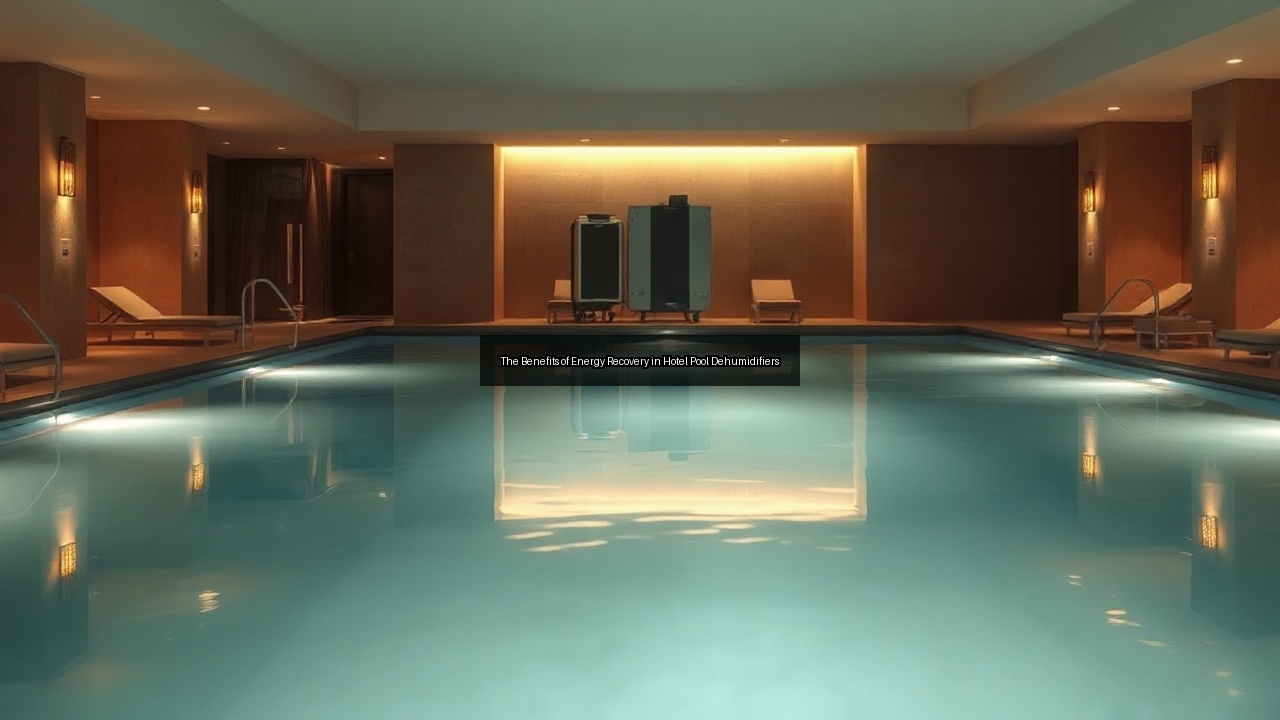
Understanding the Importance of Dehumidification in Indoor Pools
The Role of Dehumidifiers in Climate Control
Dehumidifiers play a critical role in climate control, especially in indoor swimming pools, or natatoriums. These units remove excess moisture from the air, preventing the growth of mold and mildew, which thrive in humid environments. Effective dehumidification maintains a balanced indoor climate, ensuring that both air quality and comfort levels are optimal for guests. A well-functioning hotel swimming pool dehumidifier not only enhances the swimming experience but also protects the structural integrity of the pool area. By controlling humidity, dehumidifiers help to extend the lifespan of building materials and reduce maintenance costs associated with dampness.
How Humidity Affects Indoor Swimming Pools
High humidity in indoor pools creates an uncomfortable atmosphere for swimmers. It can lead to foggy goggles and damp towels, detracting from the overall experience. Moreover, excess moisture can create slippery surfaces, posing safety hazards. Humidity also affects water quality; it can lead to increased evaporation rates, resulting in higher chemical usage to maintain water balance. Additionally, when humidity levels are not managed effectively, condensation forms on walls and ceilings, leading to potential damage and costly repairs. Effective humidity control through dehumidification ensures a safe, pleasant environment for hotel guests, enhancing their stay and encouraging repeat visits.
ASHRAE Standards for Humidity Control in Hospitality
The American Society of Heating, Refrigerating, and Air-Conditioning Engineers (ASHRAE) sets crucial standards for humidity control in hospitality settings. These guidelines recommend maintaining indoor humidity levels between 30% and 60% to promote comfort and health. Hotels operating indoor swimming pools must adhere to these standards to ensure guest satisfaction and safety. Compliance with ASHRAE standards not only protects guests but also helps hotels avoid potential legal issues related to health and safety. Implementing a hotel pool dehumidification unit that aligns with these standards demonstrates a commitment to providing a superior guest experience while ensuring operational efficiency.
Benefits of Energy Recovery in Hotel Pool Dehumidifiers
Energy Efficiency and Cost Savings
Energy recovery systems integrated into hotel pool dehumidifiers significantly enhance energy efficiency. By capturing and reusing heat from the exhaust air, these systems reduce the overall energy consumption required for heating and cooling. This efficiency translates into substantial cost savings on utility bills. Hotels can allocate these savings dehumidifer to improve other guest services or amenities. Furthermore, energy-efficient dehumidifiers align with sustainability goals, appealing to environmentally conscious travelers. The initial investment in a hotel pool dehumidifier with energy recovery capabilities pays off over time through reduced operational costs and improved energy management.
Improved Comfort for Hotel Guests
Energy recovery in hotel pool dehumidifiers contributes to improved comfort for guests. By maintaining optimal humidity levels, these systems ensure that indoor pools remain inviting and enjoyable. A well-regulated environment prevents the discomfort associated with high humidity, such as clamminess and poor air quality. Guests can swim and relax without the distractions of excessive moisture. Additionally, a comfortable indoor climate fosters positive guest experiences and encourages longer stays. When hotels prioritize guest comfort through effective dehumidification, they increase the likelihood of positive reviews and repeat business.
Environmental Impact and Sustainability
Employing energy recovery in hotel pool dehumidifiers also supports environmental sustainability. By reducing energy consumption, hotels minimize their carbon footprint, contributing to global efforts in combating climate change. Eco-friendly practices resonate with today’s travelers, who often prefer accommodations that prioritize sustainability. This approach not only enhances a hotel’s reputation but also attracts a growing segment of environmentally conscious guests. Furthermore, using an energy-efficient dehumidification unit decreases the overall demand for energy, benefiting the local community and resources. Hotels that invest in sustainable practices, including advanced dehumidifiers, position themselves as leaders in the hospitality industry.
Design Considerations for Hotel Pool Dehumidifiers
Choosing the Right Dehumidification Unit
Selecting the appropriate hotel pool dehumidifier requires careful consideration of several factors, including the size of the pool area, the local climate, and the expected occupancy levels. A dehumidification unit must efficiently handle the moisture load generated by swimmers and evaporation. It’s essential to calculate the required capacity accurately to ensure optimal performance. Consulting with HVAC professionals can help hotel operators determine the best dehumidifier for their specific needs. Investing in a well-designed unit not only improves air quality but also enhances energy efficiency, ultimately contributing to a better guest experience.
Integrating HVAC Systems for Optimal Performance
Integrating the hotel pool dehumidifier with the existing HVAC system ensures optimal performance and energy use. A well-coordinated system enables seamless communication between components, allowing for efficient humidity control and temperature regulation. Proper integration minimizes the risk of overworking individual units and reduces overall energy consumption. Hotel managers should collaborate with HVAC professionals to design a system that meets the specific requirements of the indoor pool while aligning with other climate control needs in the building. Such integration leads to enhanced comfort for guests and improved operational efficiencies.
Selecting Refrigerants for Efficient Operation
Choosing the right refrigerants is crucial for the efficient operation of hotel pool dehumidifiers. Modern refrigerants offer improved energy efficiency and reduced environmental impact compared to older options. Selecting low-global warming potential (GWP) refrigerants aligns with sustainability goals and complies with evolving regulations. Hotels should consider the long-term implications of refrigerant choice, including potential costs and environmental effects. Working with knowledgeable HVAC contractors can help ensure that the selected refrigerants enhance the performance of dehumidification units while adhering to best practices in environmental responsibility.
Best Practices for Maintaining Dehumidification Units in Hotels
Regular Maintenance and Inspection
Regular maintenance and inspection of hotel pool dehumidifiers are vital for ensuring peak performance and longevity. Schedule routine checks to clean filters, inspect ducts, and assess refrigerant levels. Neglecting these tasks can lead to inefficiencies, increased energy consumption, and potentially costly repairs. Implementing a dehumidified proactive maintenance schedule not only enhances the reliability of dehumidification units but also ensures that guests enjoy a consistently comfortable environment. Training staff on basic maintenance tasks can also contribute to the overall efficiency of the hotel’s air management systems.
Signs of Ineffective Dehumidification
Identifying signs of ineffective dehumidification is essential for maintaining a comfortable hotel environment. Poor air quality, persistent humidity, and condensation on windows and walls indicate that the dehumidifier is not functioning optimally. Guests may also complain about discomfort or stale air. Timely intervention is necessary to troubleshoot and resolve these issues before they affect guest satisfaction. Regular monitoring of humidity levels and guest feedback can help hotel management address potential problems early, ensuring that the indoor pool area remains a welcoming space.
Upgrading to Advanced Dehumidifiers for Enhanced Performance
Upgrading to advanced dehumidifiers can significantly enhance indoor pool performance and energy efficiency. Newer models often come equipped with energy recovery features, improved filtration systems, and better humidity control technologies. Investing in these advancements leads to improved air quality, reduced energy costs, and a more comfortable environment for guests. Hotels should evaluate their current systems and consider upgrades as part of a long-term strategy for operational efficiency and guest satisfaction. By prioritizing modern dehumidification solutions, hotels can position themselves as leaders in the hospitality industry and meet the evolving expectations of travelers.
See Also
- Dehumidification Strategies for Year-Round Indoor Swimming Pools
- The Hidden Importance of Dehumidification in Hotel Pool Areas
- Enhancing Indoor Pool Aesthetics with Proper Dehumidification
- Choosing the Right Dehumidifier for Your Hotel Swimming Pool
- Why Every Hotel Needs a Reliable Pool Dehumidification Unit